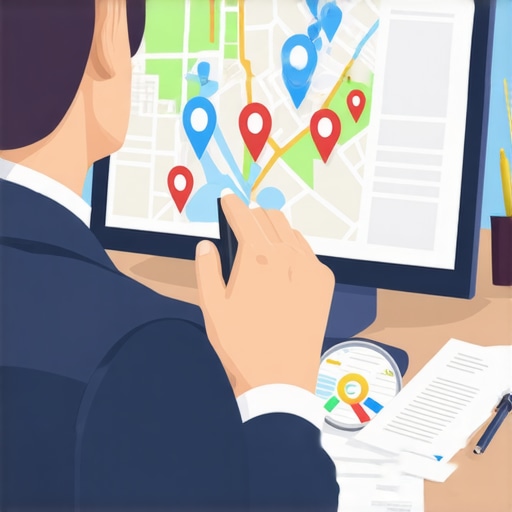
I remember the moment clearly. I had invested hours into my local business, tweaking my Google My Business profile, posting updates, and hoping for that elusive top spot. Yet, every time I checked, my listing was nowhere near the coveted 3-Pack. It was frustrating—like shouting into the void and hearing nothing back. That lightbulb moment hit me hard: I was missing some crucial optimization strategies that could push my business into the spotlight.
Why Your Google Maps Ranking Is Stuck and How to Fix It
If you’ve been struggling to get noticed on Google Maps, you’re not alone. Many local businesses face this exact challenge. The good news? With the right top GMB optimization tips, you can dramatically improve your chances of ranking higher in the 3-Pack. Today, I’ll share proven tactics that helped me turn my online presence around, and they can do the same for you.
Is GMB Optimization Really Worth the Hype?
Early on, I made a costly mistake—ignoring the importance of consistent NAP (Name, Address, Phone number) details across all platforms. Turns out, Google takes this consistency seriously. Missing or mismatched info can tank your rankings faster than you can say “algorithm penalty.” According to recent studies, businesses with fully optimized GMB profiles see a noticeable boost in local visibility. So yes, investing in proper GMB optimization is not just hype; it’s a game-changer.
If you’ve ever wondered whether all the effort is worth it, I get it. I questioned it myself. But after applying these tips, I watched my rankings climb, my foot traffic increase, and my revenue grow. It’s a strategic move, not a magic trick. Ready to learn what works? Let’s dive into the core strategies that can help you dominate the Google Maps 3-Pack in 2024.
Streamline Your NAP Details for Consistency
Start by auditing every platform where your business appears—website, directories, social media—and ensure your Name, Address, and Phone number (NAP) are identical everywhere. I once missed this step and saw my rankings plummet because Google flagged inconsistent info. Use tools like Moz Local or BrightLocal to check for discrepancies and correct them immediately. Consistent NAP is like a reliable address book; it tells Google exactly where you are and boosts your local ranking.
Optimize Your Google My Business Profile
Claim and Verify Your Listing
If you haven’t claimed your GMB profile, do it now. Verification is crucial—think of it as authenticating your identity. Once verified, fill out every detail meticulously: categories, business hours, services, and a compelling business description. I remember rushing this step and missing out on potential visibility; now I see how detailed info helps Google understand your business better.
Choose the Right Primary Category
Select a primary category that accurately reflects your core business. This is like giving Google a clear label—if you own a bakery, don’t categorize yourself as a cafe. Use the top GMB optimization tips to identify high-impact categories that can boost your rankings.
Leverage Local Keywords and Content
Incorporate local keywords naturally into your business description, services, and posts. I once added generic keywords and saw no change; then I included specific phrases like “best pizza in downtown Chicago,” and my rankings improved within weeks. Use tools like Google Keyword Planner or Ubersuggest to find relevant local search terms. This signals to Google precisely what your business specializes in for your area.
Engage with Customer Reviews
Reviews are the social proof that Google loves. Aim to get at least 10 reviews, and respond to each one thoughtfully. I once responded to a negative review with empathy and a solution, which turned it into a positive signal. Review responses increase engagement and can influence your ranking, making your profile more trustworthy and visible.
Build Local Citations and Backlinks
Get your business listed on reputable directories like Yelp, Bing Places, and industry-specific sites. These citations act as backlinks and signals of authority. I personally reached out to local chambers of commerce and received backlinks that significantly boosted my local presence. Focus on quality over quantity—ensure your NAP matches everywhere.
Utilize Google Posts Regularly
Consistently posting updates, offers, or news helps keep your profile active and engaging. I scheduled weekly posts, sharing special deals and community events, which kept my profile fresh and relevant. Google favors active profiles, so make it a routine to post at least once a week.
Monitor and Adjust Your Strategy
Use insights from Google My Business dashboard and tools like BrightLocal to track your rankings and traffic. I analyzed my data monthly, adjusting keywords and posts based on performance. Continuous monitoring allows you to refine your tactics and stay ahead of the competition.
Implementing these steps might seem overwhelming at first, but consistency pays off. Every detail you optimize brings you closer to that coveted spot in the Google Maps 3-Pack, driving more local traffic and revenue.
Many local businesses fall prey to misconceptions about how to effectively optimize their Google Maps presence. Let’s clear up some of the most common myths that can actually hinder your progress instead of helping it.
Why Most People Overlook the Nuances in GMB Optimization
One prevalent mistake is believing that simply filling out your Google My Business (GMB) profile with basic information guarantees top rankings. While a complete profile is essential, the real game-changer lies in consistent NAP details, keyword-rich descriptions, and ongoing engagement. Neglecting these can cause your listing to stagnate or even be penalized.
Another misconception is that reviews alone will push your rankings. In reality, reviews are important, but their impact is amplified only when you respond thoughtfully and build a community. Ignoring negative reviews or failing to engage can send the wrong signals to Google, undermining your efforts.
Is Quantity More Important Than Quality?
Many believe that accumulating hundreds of reviews or citations automatically boosts rankings. However, recent insights suggest that quality matters more than quantity. A handful of genuine, positive reviews from real customers, combined with authoritative local citations, will outperform spammy or duplicate listings every time. For reference, Google’s own local ranking factors emphasize relevance, proximity, and authority over sheer volume.
Be wary of the trap of keyword stuffing in your business description or posts. Over-optimizing can trigger penalties and harm your credibility. Instead, focus on naturally integrating local keywords that match what your potential customers are searching for — this is a nuanced but critical aspect of advanced local SEO.
Finally, many overlook the significance of local backlinks and citations from reputable sources. These signals reinforce your authority and relevance, but only if they are consistent and from trustworthy platforms. Building such links requires a strategic approach, not just mass submissions.
In conclusion, effective GMB optimization isn’t about shortcuts or superficial tactics. It’s about understanding and leveraging the nuanced ranking factors that Google considers. For a comprehensive and strategic approach, consider exploring proven strategies to dominate Google Maps rankings in 2024, such as those detailed in this guide. Have you ever fallen into this trap? Let me know in the comments.
Keep the Momentum Going with the Right Tools
Once you’ve optimized your Google My Business profile and started climbing the local rankings, the key to sustained success lies in consistent maintenance. To achieve this, leveraging the right tools is essential. Personally, I rely on BrightLocal and Moz Local for comprehensive local SEO audits. These platforms help me monitor NAP consistency, track local rankings, and identify citation discrepancies before they impact my visibility. BrightLocal is particularly useful for its detailed citation tracking and review management features, allowing me to respond swiftly to customer feedback and maintain a positive online reputation.
Automate Your Review Monitoring
Customer reviews are vital, but manually tracking them can be overwhelming. I recommend using BrightLocal’s review management tool, which consolidates reviews from multiple platforms and alerts you to new feedback. Responding promptly not only enhances your local signals but also builds trust with potential customers. Regular engagement shows Google that your business is active and customer-focused, helping you maintain those top rankings.
Schedule and Analyze Posts Effectively
Consistency in posting keeps your profile fresh, but managing this manually is time-consuming. I use Hootsuite to schedule Google Posts in advance. This way, I ensure my updates—whether promotions or community news—go out regularly without stress. Additionally, Google’s Insights dashboard provides valuable data on post engagement and search queries, guiding me to refine my content strategy over time.
Long-Term Strategies for Stability and Growth
Looking ahead, the future of local SEO will likely involve more automation and smarter AI-driven insights. Tools like SEMrush and Ahrefs are expanding their local SEO features, providing deeper keyword analysis and backlink tracking. Keeping an eye on these developments allows me to adapt my approach proactively.
How do I maintain my rankings over time?
The secret is ongoing optimization and vigilant monitoring. Regularly audit your NAP consistency, keep your profile updated with fresh content, and respond to reviews promptly. Incorporate local keywords naturally into your posts and descriptions, and stay engaged with your community online. To streamline this, I recommend trying tools like Moz Local for citation management and Google My Business Insights to track performance. Staying proactive ensures your business remains visible and competitive in an evolving local search landscape.
Finally, don’t forget the importance of backlinks from reputable local sources. Reach out to local newspapers or industry blogs for guest posting opportunities, which can give your profile an authority boost. Remember, maintaining your local SEO success is an ongoing process—think of it as nurturing a garden that, with regular care, will continue to thrive. For more detailed strategies, explore this comprehensive guide.
The Hardest Lesson I Learned About Google Maps Rankings
One of my biggest eye-openers was realizing that Google’s algorithms are more nuanced than I initially thought. Simply optimizing your profile isn’t enough; you need to understand how relevance, authority, and engagement interplay. I once focused only on keywords and citations, but it was the ongoing review engagement that truly made the difference. This taught me that consistent community interaction and authentic customer feedback are the real secret weapons.
3 Myths About Local SEO That Held Me Back
I used to believe that volume was everything — more reviews, more citations, more backlinks. Turns out, quality beats quantity every time. Genuine reviews from real customers and authoritative local backlinks from reputable sources are far more impactful. Additionally, I thought keyword stuffing in descriptions would boost my rankings — but Google penalizes over-optimization. Understanding these truths saved me from wasting time on superficial tactics and helped me focus on meaningful strategies.
What Experts Won’t Tell You About Google Maps Domination
Many professionals don’t emphasize the importance of maintaining NAP consistency across all platforms. I learned the hard way that mismatched information can cause ranking drops and confusion among potential customers. Furthermore, ongoing profile engagement, like timely response to reviews and regular posts, signals to Google that your business is active and trustworthy. These hidden nuances, if properly managed, can elevate your local presence far beyond basic optimization.
My Essential Toolkit for Local SEO Success
Over the years, I’ve relied on tools like BrightLocal for citation management and review tracking, which keeps my profiles in top shape. Moz Local is invaluable for ensuring NAP consistency. For keyword research, I trust Ubersuggest to find relevant local terms. These tools have been game-changers, helping me maintain and grow my local visibility effectively.
Take Action and Shine Bright in Your Market
Now, it’s your turn to implement these lessons and truly dominate Google Maps in 2024. Remember, consistent effort, strategic engagement, and leveraging the right tools are your best allies. The local search landscape is constantly evolving, but with perseverance and smart tactics, you can stay ahead of the competition. Dive into the detailed strategies at this comprehensive guide and start transforming your local SEO game today. Your success story begins now!




Reading this post really resonated with my own experience on trying to climb the Google Maps rankings. It’s so true that investing time into profile optimization without consistency in NAP details can hold your progress back. I’ve learned that thorough auditing across all platforms, including citations and social media, is a critical first step. The part about choosing the right primary category stood out to me—I once mistakenly selected a broad category for my service, which diluted my relevance. Has anyone else found that switching to a more specific primary category made a notable difference in their local rankings? I believe that combining this with regular local keyword optimization in posts makes a tangible impact on visibility. It’s also interesting how responding to reviews, especially negative ones, can be a game-changer in building trust and signals to Google. Overall, the best results come from a mix of technical accuracy and ongoing engagement. I’d love to hear others’ strategies for maintaining consistency and engagement long-term in their local SEO efforts.
This post perfectly highlights the importance of consistency and active engagement in local SEO, especially when it comes to the GMB 3-Pack rankings. I’ve seen firsthand how optimizing just basic information isn’t enough — Google needs to see a well-rounded, active profile. One thing that’s worked well for me is creating local-focused content through Google Posts and responding to reviews promptly. These small but consistent efforts help build trust and relevance over time. I also find that monitoring keyword performance regularly allows me to tweak my descriptions and service offerings for better visibility. Does anyone else here have experience with using Google Posts as part of their ongoing strategy, or maybe other tactics that have proven effective in maintaining high rankings long-term? I’m curious to know what routines or tools others rely on for consistent profile management and keeping engagement levels up. It’s clear that a proactive approach, coupled with strategic content and review management, is key to staying ahead in local searches.