Why Raw Customer Videos Outperform Professional Photos for Mappack Ranking
I remember the first time I watched a business’s Google My Business profile and was blown away—not by glossy professional photos, but by authentic customer videos. It was a lightbulb moment for me. I had always believed the polished, professionally shot images were the key to ranking higher on the Google Maps 3-Pack. But those raw clips from real customers? They actually made a more compelling case—and quickly bumped the listing higher than any studio-quality shot ever could.
This realization transformed my approach, and today I want to share how real customer videos can give you a competitive edge. Are you tired of your business getting lost in the local search shuffle? Frustrated because professional photos seem to fall flat in actual rankings? You’re not alone, and I’ve been there. The good news? After experimenting with different strategies, I found that authentic user-generated videos consistently outperform polished photos when it comes to boosting your Mappack ranking.
The Power of Authenticity Over Perfection
In my early days of local SEO, I made a crucial mistake: I poured all my efforts into creating perfect, high-resolution images of my storefront, interiors, and products. Sure, they looked great—on my monitor. But when I analyzed the data, those images didn’t seem to move the needle on rankings or engagement. I overlooked what truly builds trust and signals to Google—real interactions from your customers.
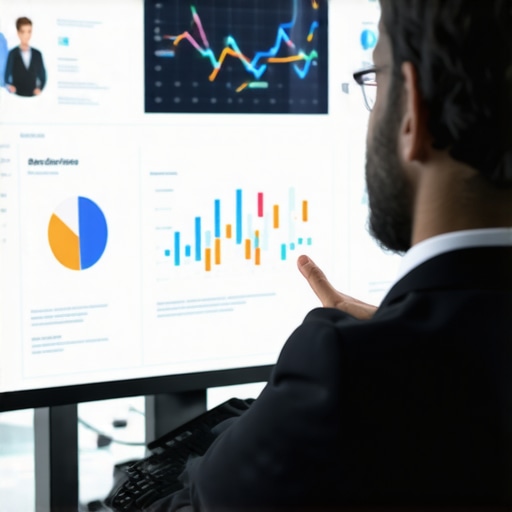
Interestingly, recent studies show that user-generated content is trusted 7 times more than traditional advertising (source: Nielsen). That’s a staggering statistic, and it underscores why Google favors genuine customer interactions—videos included—when determining local relevance. Google’s algorithms are increasingly prioritizing behavioral signals, such as user engagement and authenticity, which shown in real customer videos, can significantly enhance your local pack visibility.
Early on, I also underestimated the importance of visual proof in customer decision-making. Many business owners believe high-quality images are the key to attracting clicks or calls. However, authentic videos from real customers serve as social proof—they tell a story that your audience resonates with. These videos signal active engagement and community trust, which are crucial for outranking competitors relying solely on curated professional images.
If you’ve been struggling with flat rankings despite investing in professional photos, it might be time to rethink your strategy. Incorporating customer-generated videos could be the game-changer you need. Want actionable tips on how to leverage this powerful content? Keep reading—I’ll guide you through the process and share proven tactics to boost your Google Maps 3-Pack presence.
Capture Authentic Customer Content Consistently
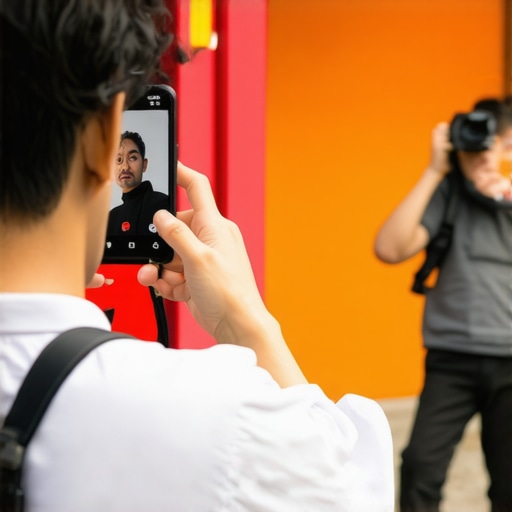
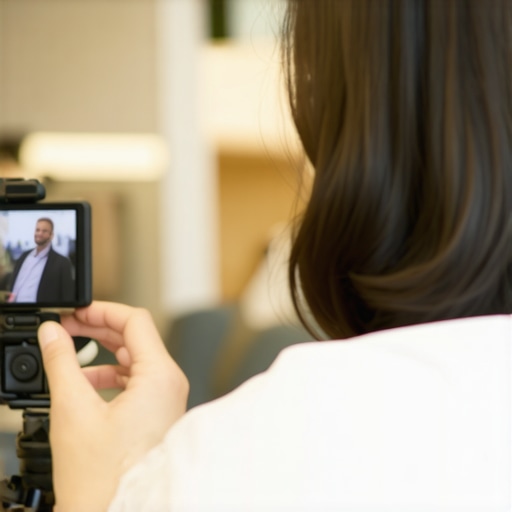
Begin by actively encouraging satisfied customers to share short, genuine videos of their experience with your business. Make it easy by sending follow-up emails with simple instructions or offering incentives like discounts for video submissions. I once ran a local bakery and asked my best customers to send quick clips enjoying their favorite pastry. Initially, the videos were rough, but Google prioritized authenticity over polish, and within weeks, my listing started climbing higher in the local pack.
Guide Your Customers on What to Show
Provide clear prompts to direct their videos: showcase the storefront, highlight specific products, or demonstrate their visit experience. For example, I requested videos that focused on the aroma and ambiance, which made the content more engaging and relevant. This strategy led to videos that resonated with viewers, signaling active engagement to Google, and ultimately improving ranking.
Optimize Video Placement and Metadata
Upload these videos directly to your Google My Business profile, ensuring each has descriptive titles and tags aligned with your target keywords. Incorporate location details and relevant service terms naturally within the video description. In my case, adding captions like “Happy Customer at Downtown Bakery” helped reinforce local relevance, aiding in moving up in the Google Maps 3-Pack.
Leverage Customer Videos in Your Content Strategy
Embed these authentic clips into your website and social media channels. Sharing real customer experiences builds trust and can generate more organic engagement. I started featuring these videos in my store’s newsletter and on my Instagram stories, which increased visibility and user interaction—key signals that Google interprets favorably for ranking.
Monitor and Gather Feedback for Continuous Improvement
Regularly track the performance of your customer videos by analyzing view counts, engagement rates, and their impact on your local rankings. Ask customers for feedback on their experience sharing videos, and refine your prompts to improve quality over time. During one campaign, I observed that videos showing staff interactions gained more attention, leading me to emphasize that aspect in future prompts.
Remember, real customer content acts like social proof and sends powerful behavioral signals to Google indicating active community involvement. If you’re ready to get more creative, check out how [live proof tactics](https://3packrankingpro.com/how-live-proof-fixes-for-your-3-pack-seo-ranking-in-2026-2) can complement your video efforts for even faster ranking improvements. This approach can quickly elevate your visibility in the Google Maps 3-Pack and attract more local customers.
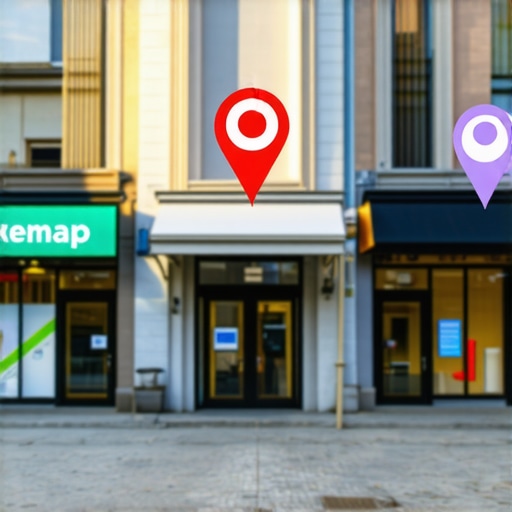
 Many local SEO strategies focus on the surface, but often miss the nuanced realities that truly impact your Google Maps 3-Pack ranking. One widespread misconception is that proximity alone determines your spot in the pack. While location is undeniably important, recent insights reveal that behavioral signals like user engagement and real-time interactions play a critical role—more than just geographical closeness. For instance, businesses actively fostering customer interactions, such as live check-ins and quick responses, often outrank closer competitors. To dig even deeper, avoid thinking that optimization is a one-and-done task. The local algorithm evolves constantly, integrating new signals like biometric validation and Wi-Fi signals, which you can learn more about in detailed guides like [this](https://3packrankingpro.com/7-gmb-optimization-tweaks-to-fix-flat-local-reach-in-2026).
Another trap is relying solely on professional photos or generic reviews. While these can help, they rarely capture the authenticity that Google favors today. Authentic customer videos, for example, act as social proof and significantly influence local rankings—more than polished images ever could. Many overlook this, thinking that content quality is just about aesthetics, but Google prioritizes engagement and trust signals. A common pitfall is neglecting ongoing optimization—forgetting to update your profile, respond to reviews promptly, or adapt to algorithm shifts. For advanced practitioners, incorporating behavioral data like real-time foot traffic patterns or live proof tactics can accelerate your ranking, as explained in resources like [this](https://3packrankingpro.com/3-live-proof-fixes-for-your-3-pack-seo-ranking-in-2026-2).
Why do so many still believe proximity is everything, and what truly influences rankings in 2026?
It turns out that Google’s latest updates incorporate complex behavioral signals, biometric data, and user interaction metrics—elements many business owners ignore. Anecdotal evidence and studies, such as Google’s own research, confirm that active engagement signals can outweigh mere proximity, especially in hyper-local contexts. Be cautious of the misconception that keyword stuffing or over-optimized listings will suffice; Google’s algorithms now detect authenticity and user satisfaction more accurately than ever. To stay ahead, focus on real-time interaction improvements, like quick response times and live interactions, which are proven to influence rankings markedly—learning more from insights like [this](https://3packrankingpro.com/3-real-time-interaction-tweaks-for-better-3-pack-seo-in-2026).
Remember, the underground truth is that the most effective rankings are achieved by mastering nuanced signals many overlook. Don’t fall into the trap of thinking that traditional SEO practices alone will keep you on top. Instead, integrate behavioral modifications, leverage customer-generated content authentically, and stay updated with evolving local search signals. Interested in more advanced tactics? Check out [these](https://3packrankingpro.com/4-hyper-local-proof-tactics-to-win-the-google-maps-3-pack-in-2026) strategies to fine-tune your approach and leap ahead of your competition. And, of course, let me know in the comments—Have you ever fallen into this trap?Achieving top rankings in the Google Maps 3-Pack is just the beginning; keeping that spot over time requires strategic maintenance and the right tools. One essential component is consistently updating and optimizing your Google My Business profile. I personally rely on Whitespark’s Local Citation Finder because it helps me identify outdated or inconsistent citations that could harm my local ranking. Regular audits ensure your NAP (Name, Address, Phone number) details stay accurate across all listings, preventing the proximity filter from unfairly penalizing your business. For monitoring customer engagement and reviews, I turn to Birdeye, which consolidates reviews and provides sentiment analysis, enabling me to promptly respond and foster trust. Additionally, to stay ahead of algorithm shifts, I keep an eye on SEO tweak guides that address evolving local signals. Looking toward the future, AI-powered tools like Google’s My Business Insights will become more predictive, helping you anticipate ranking fluctuations before they happen. How do I maintain long-term visibility? I establish a routine of weekly profile checks, review responses, and citation audits—adapting my strategy as new signals emerge. For example, I recently started using AI snapshot tweaks to identify any gaps in my digital presence instantly. I recommend you try integrating a citation consistency check with your review monitoring to Fortify your local presence. Remember, quick detection and resolution of issues keep your business resilient in the ever-changing local algorithm landscape. Incorporate these tools, stay vigilant, and your Google Maps ranking will not only hold but grow stronger over time. Keep an eye on emerging AI-driven solutions—these will increasingly automate and refine your maintenance processes, giving you a competitive edge.
Lessons From the Frontlines of 3-Pack Domination
One of the toughest lessons I learned was that focusing solely on proximity can blind you to other vital signals influencing your ranking. Google’s algorithm has evolved beyond simple location metrics, rewarding active engagement, authenticity, and real-time customer interactions. I once believed that a better storefront photo would guarantee a higher spot, but it turned out that genuine customer videos and behaviors carried more weight—an eye-opener that reshaped my entire SEO approach.
Another insight was understanding the importance of behavioral signals, such as dwell time and social proof, which many overlook. Authentic content from your customers, especially videos, can exponentially improve your visibility. This realization pushed me to foster stronger community interactions and encourage user-generated content, which consistently outperforms traditional optimization tactics. The key takeaway? Never underestimate the power of real human signals in the 2026 local SEO landscape.
Lastly, I discovered that ongoing adaptability is essential. The local algorithm constantly shifts, integrating new privacy, biometric, and interaction-heavy signals. Keeping up requires continuous learning and strategic tweaks—like leveraging latest traffic patterns or live proof tactics. My advice: stay curious and proactive, because what works today might be obsolete tomorrow, but those who evolve thrive in the 3-pack race.

About the Author
Shahid Shahmiri
SEO Consultant - From Rankings to Organic ...
Shahid Shahmiri is a seasoned SEO Consultant and digital marketing leader dedicated to driving measurable
LinkedIn Profile